
Gestalt Associates for Psychotherapy
Training and therapy that treats the whole person
About GAP’s Training Programs
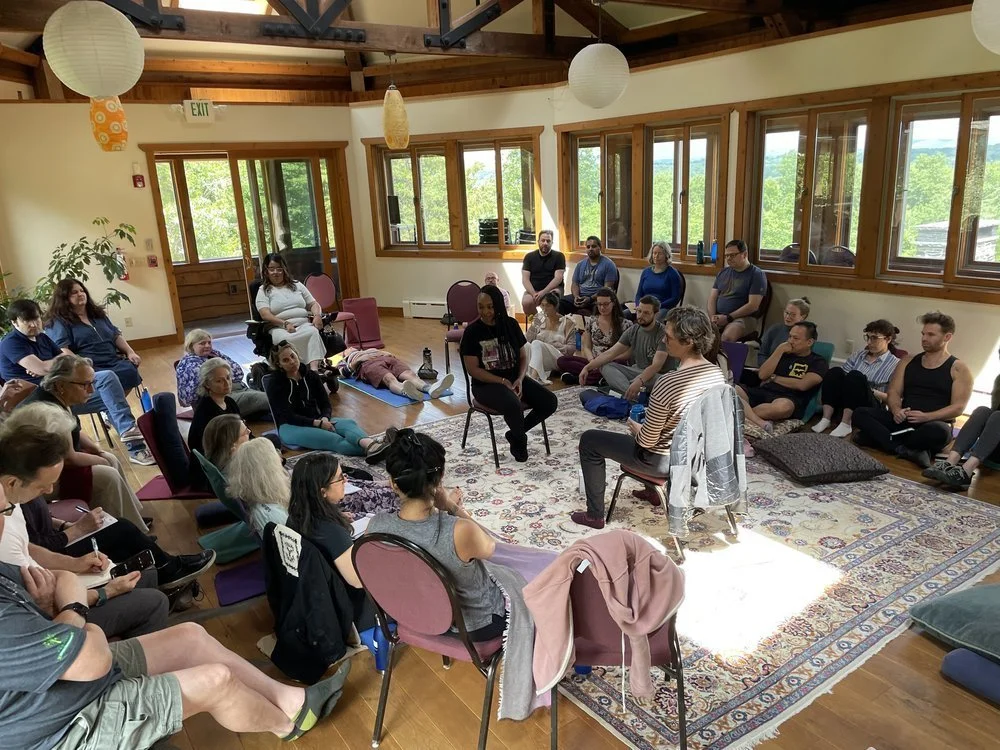
At Gestalt Associates for Psychotherapy (GAP), postgraduate training is more than learning the foundations of Gestalt therapy, it’s a dynamic, integrative process that fosters deep personal and professional growth. Our program offers a rigorous and relational approach to clinical training, combining experiential learning with rich theoretical grounding. You’ll work with real clients in a supportive, supervised setting that cultivates clinical confidence, self-awareness, and therapeutic presence. Join a vibrant community of practitioners committed to creativity, depth, and transformation, in themselves and in the people they serve.
-
Clinical Fellowship Program
This 4-year Program is open to candidates who have an MD, PhD in Psychology, or an MA in Social Work, Mental Health Counseling, Creative Arts Therapy, or Marriage and Family Therapy.
-
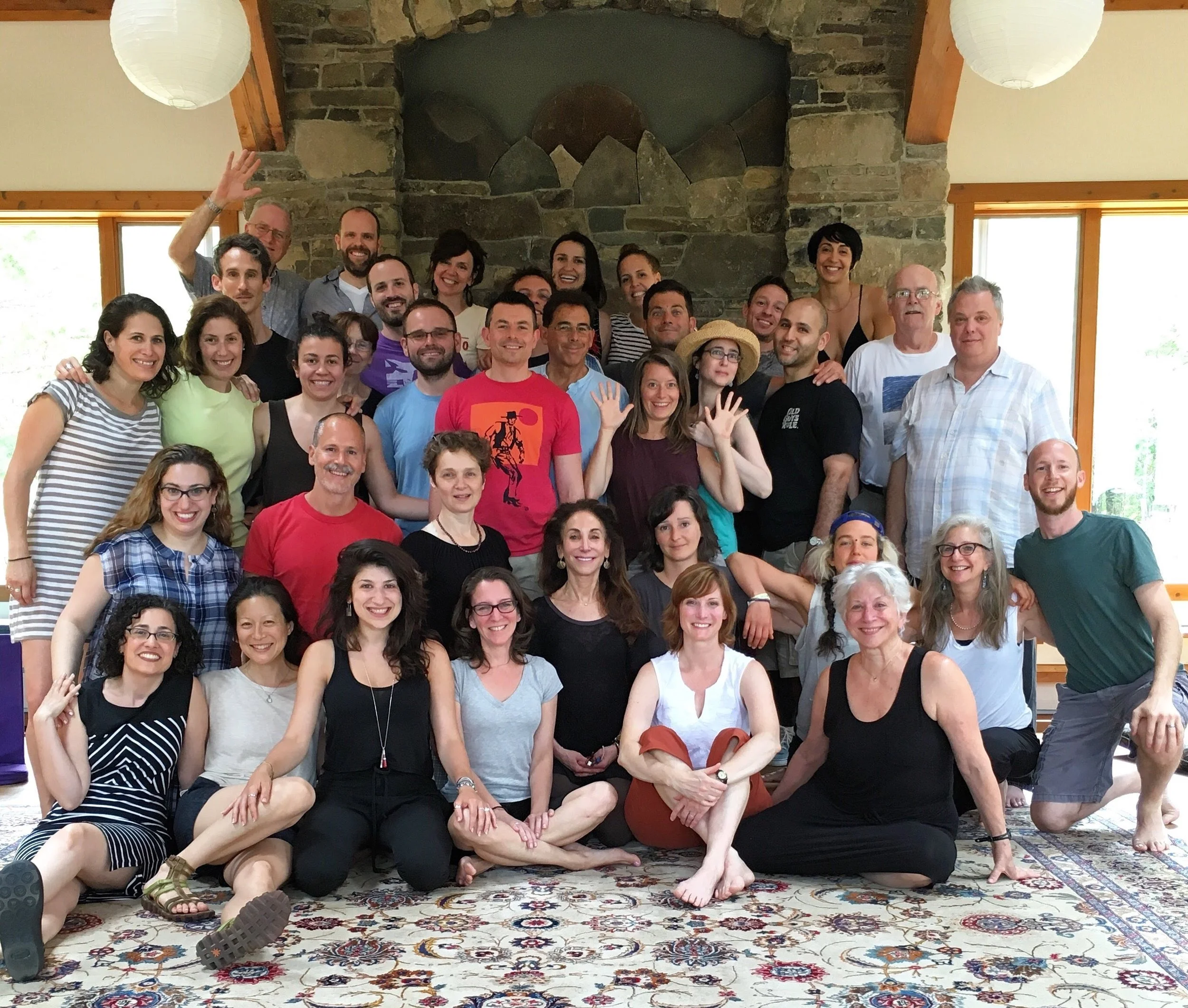
Psychoanalytic Program
This NYS-Licensed Program is open to candidates with a masters’ degree in any field. Graduates are eligible to become Licensed Psychoanalysts (LP) able to practice in New York State.
-
Introductory Program
This 1-year Introductory Practitioner Program offers participants an introduction to Gestalt Therapy theory and practice and provides the opportunity to explore the application of Gestalt principles to allied fields.
GAP’s Low-Fee Clinic
Affordable Therapy in NYC
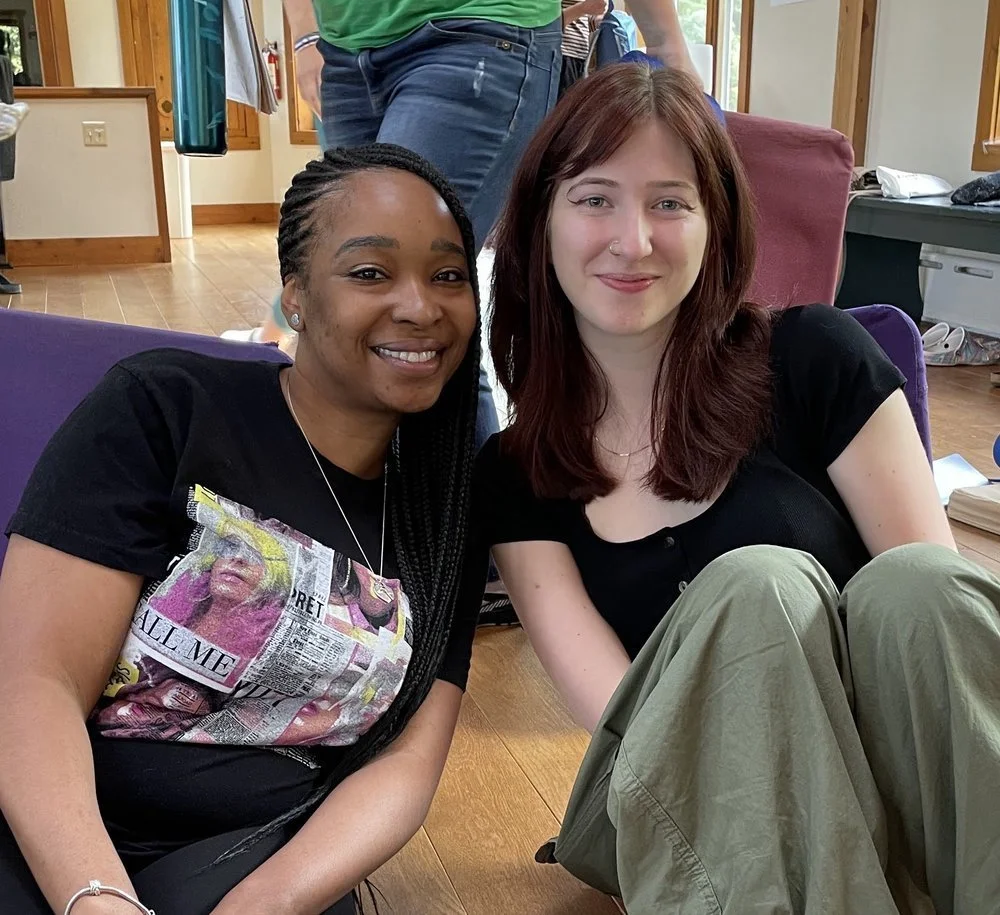
Gestalt Associates for Psychotherapy offers affordable Gestalt Therapy through our Low Fee Clinic. Clients in our clinic see therapists who are in our advanced post-graduate clinical training programs, and are under weekly supervision by members of our Faculty.
What is Gestalt Therapy?
Gestalt Therapy emerged in the early 1950s through the work of Frederick and Laura Perls and Paul Goodman. Rooted in psychoanalysis, Gestalt psychology, existential philosophy, and field theory, it evolved into a distinct and integrative approach to psychotherapy, one that both draws from and transcends its theoretical origins.
At the heart of Gestalt Therapy is a radical commitment to the present moment. It’s focus on the unity of body, mind, and environment marked a profound shift from intrapsychic models of therapy and laid the groundwork for many contemporary somatic and experiential modalities.
Our work is grounded in the belief that awareness is inherently transformative. Through the process of bringing old patterns and habitual adaptations into awareness, clients regain access to spontaneity, choice, and creative engagement with life.


Fredrick Perls
Laura Perls
Bibliography
-
Frederick Perls, Richard Hefferline, Paul Goodman, “Gestalt Therapy: Excitement and Growth in the Human Personality”
1951
-
Frederick Perls, “Ego, Hunger and Aggression”
1947
-
Frederick Perls, “The Gestalt Approach and Eyewitness to Therapy”
1973
-
Frederick Perls, “Gestalt Therapy Verbatim”
1969
-
Laura Perls, “An Oral History of Gestalt Therapy: A Conversation with Laura Perls”
1978
-
Laura Perls, ”Keeping the Flame: Laura Perls and Gestalt Therapy” (Edited by E.M. Stern)
1982